Kids predict how fast a squishy returns to shape.
The prompt builds observation, counting and comparison without asking the toy to become a textbook.
Our lab compares ordinary screen-only prompts with tactile feedback loops so kids can see a problem, touch a response and try again with confidence.
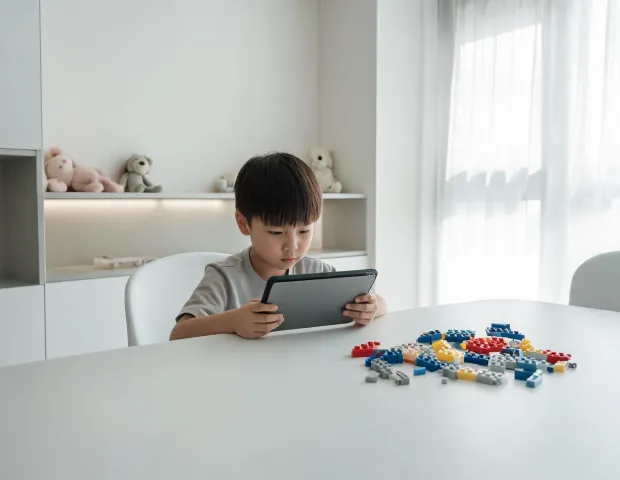
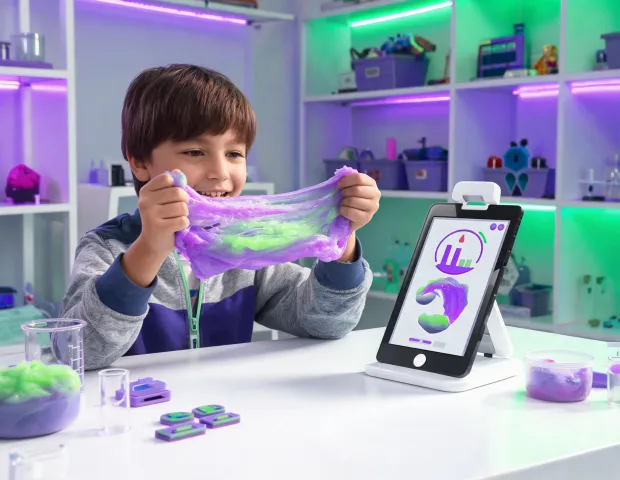
When a prompt asks a child to predict, touch and compare, the toy creates more observable learning moments than a single open-ended action.
The prompt builds observation, counting and comparison without asking the toy to become a textbook.
The activity turns messy material play into a structured science moment that still feels playful.
Kids can repeat, reverse and invent a sequence while adults observe attention and rhythm.
Each piece must earn its place by offering a distinct action, not just another bright shape.
Share the target age, material family and learning goal. We will respond with a concise test path for the range.